
Germany’s far-right Alternative for Germany (AfD) has renewed calls for the country to resume imports of Russian energy,
as soaring fuel prices and economic pressures reshape the political landscape.
Russia had previously supplied more than a third of Germany’s crude oil and over half of its natural gas needs until the 2022 invasion of Ukraine
and the shutdown of the Nord Stream pipeline forced Berlin to seek alternative suppliers, including Norway, the Netherlands and Belgium.
Since then, Germany has largely eliminated Russian oil and gas from its energy mix.
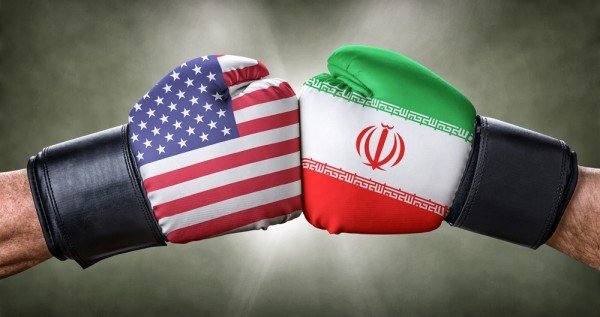
However, fuel prices have surged in recent weeks, rising by more than 15% since the U.S. and Israel launched military action against Iran.
The issue has resonated strongly with voters, particularly in industrial regions such as Baden-Württemberg, a key hub for Germany’s automotive sector.
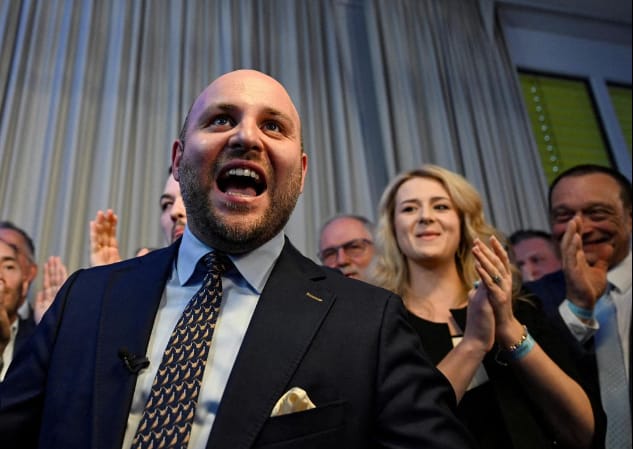
Markus Frohnmaier, the AfD’s leading candidate in Baden-Württemberg, said high energy costs estimated to be roughly double those in countries
like China and the United States were central to the party’s campaign. “This election campaign was all about the economy,” he said.
The AfD secured around 20% of the vote in both Baden-Württemberg and neighbouring Rhineland-Palatinate, consolidating its position as Germany’s
second-largest political force and marking its strongest performance in a western state.
The party argues that resuming imports of Russian oil and gas is essential for restoring Germany’s energy security and ensuring affordable electricity.
Germany’s economic model had long relied on access to cheap Russian energy under former chancellors Gerhard Schroeder and Angela Merkel, and the disruption contributed to a two-year recession.
Rising production costs, job losses in manufacturing, and increased competition from China have further intensified economic concerns, creating fertile ground for the AfD’s messaging.
Political analyst Johannes Hillje noted that energy costs are a tangible issue for voters, making the party’s argument more relatable than broader geopolitical concerns.
Mainstream political leaders, however, have strongly criticised the proposal. Roderich Kiesewetter of the Christian Democratic Union warned that increasing
imports of Russian energy would undermine European security and damage trust among allies. He also accused the AfD of promoting narratives favourable to Moscow.
Despite such criticism, some voices within Germany’s political establishment have begun to question the long-term economic impact of cutting ties
with Russia. In eastern regions, where economic pressures are often more acute, support for restoring trade relations appears to be stronger.
Michael Kretschmer said there is a growing perception among the public that severing energy ties with Russia may have been a mistake,
particularly in eastern Germany where such views are more pronounced.
The debate highlights the ongoing tension between economic priorities and geopolitical strategy, as Germany navigates the long-term consequences of its energy transition.

.jpg)
.jpg)

.jpg)