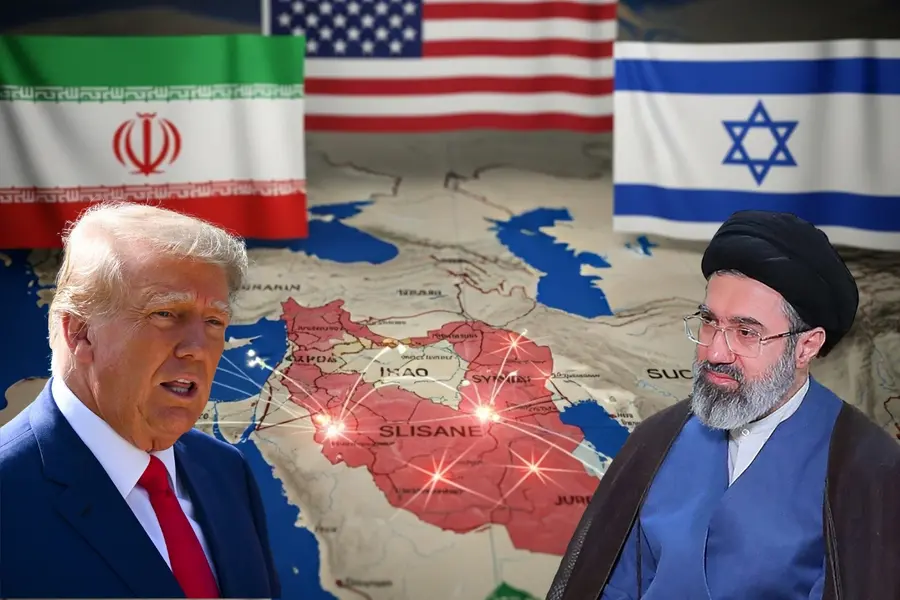




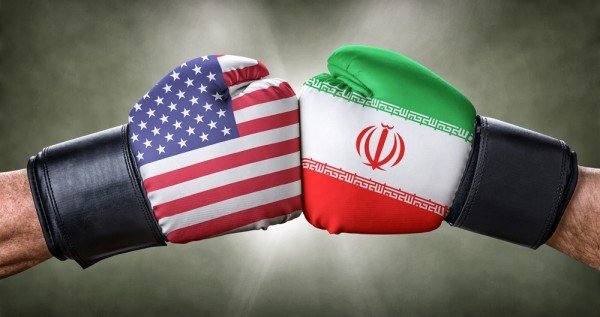
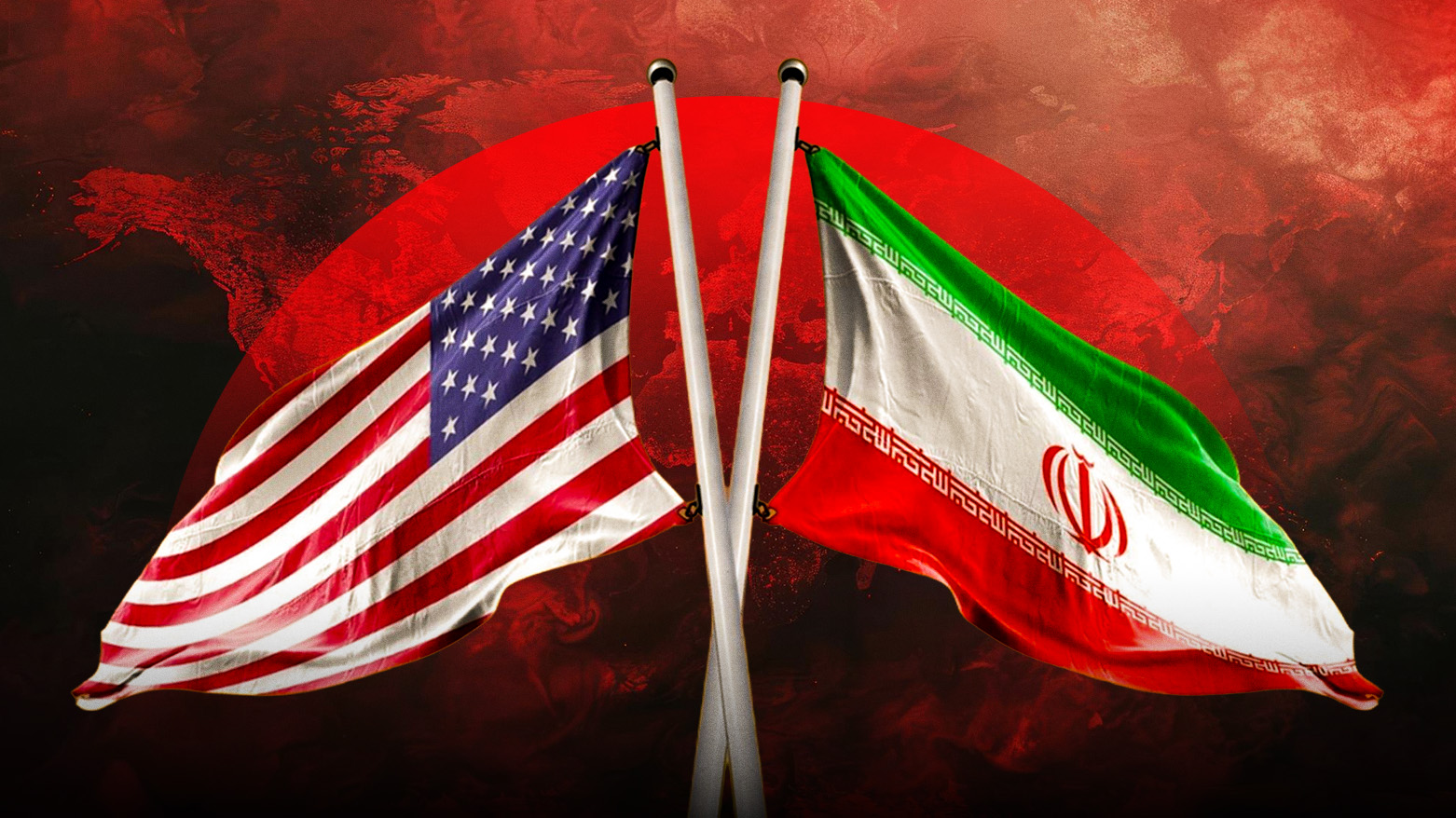
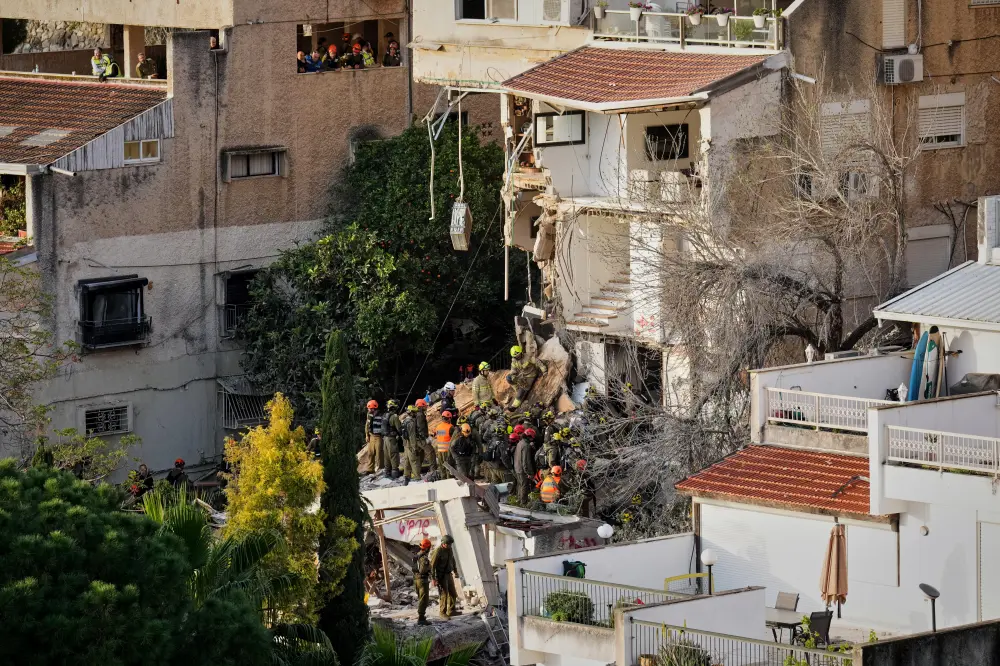
The United States and Iran have agreed to a two-week ceasefire brokered by Pakistan, raising hopes of a pause in a six-week-long conflict that has destabilised the Middle East and disrupted global energy markets.
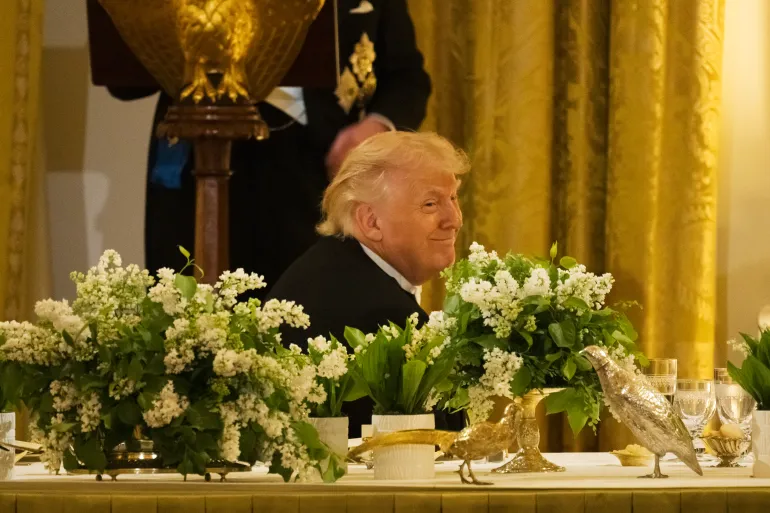
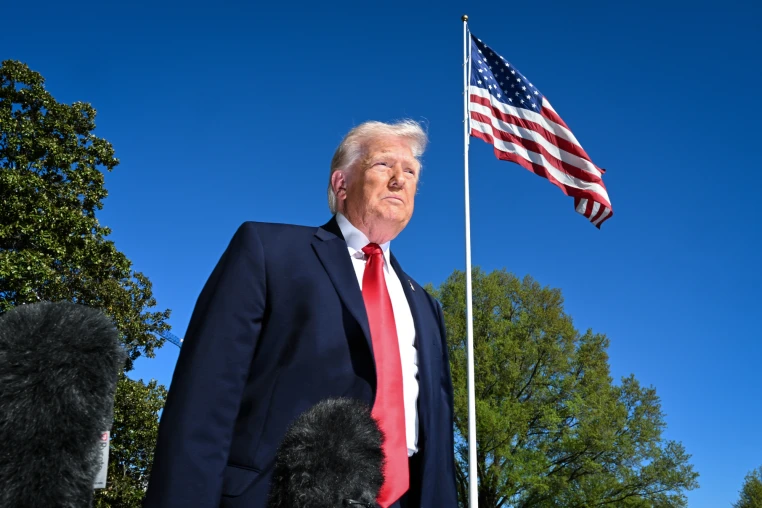
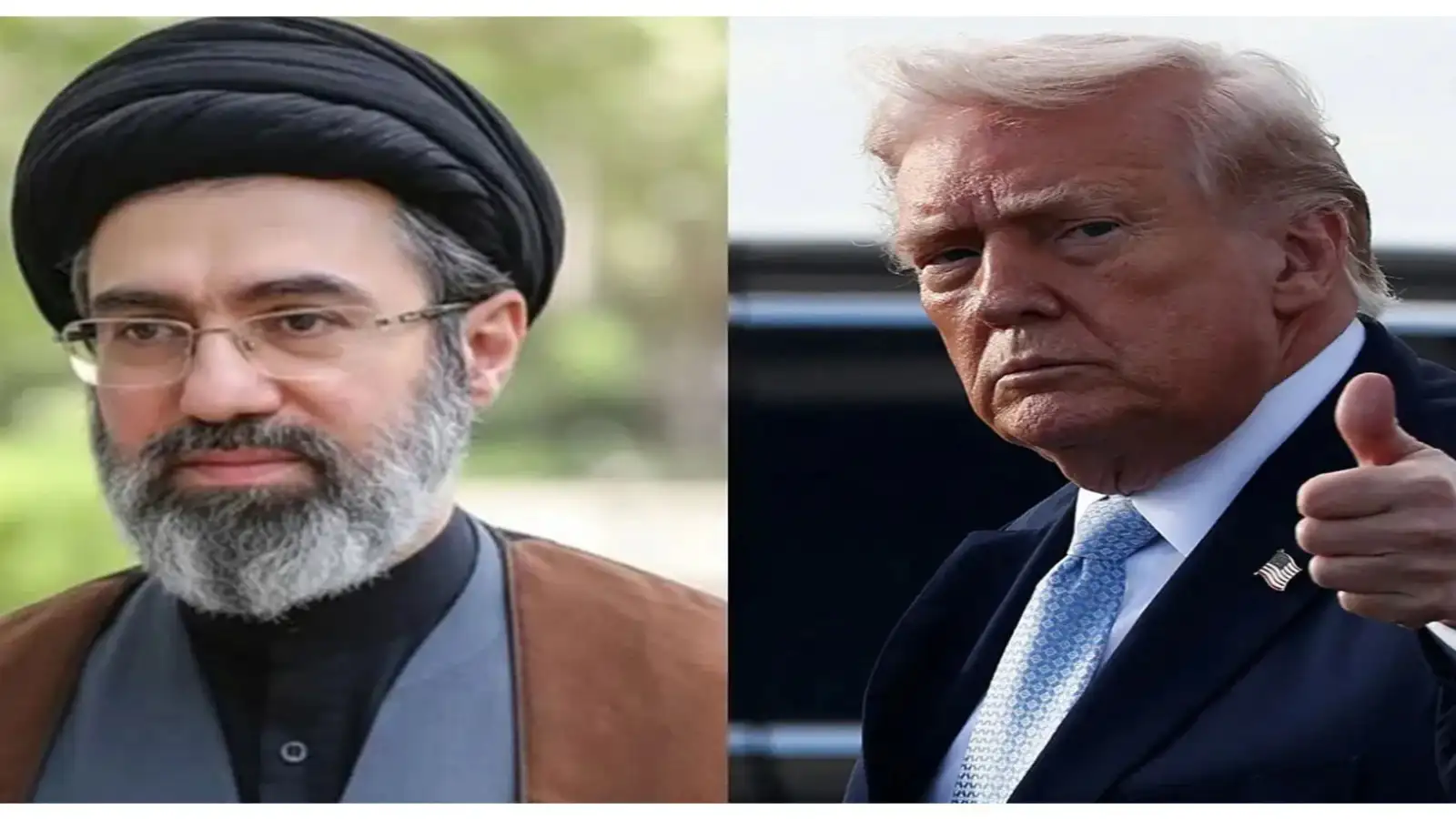
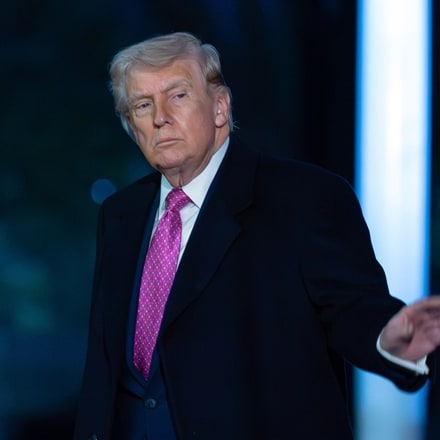
U.S. President Donald Trump announced the agreement late Tuesday, just hours before a deadline he had set for Iran to reopen the strategically vital Strait of Hormuz or face major military consequences.
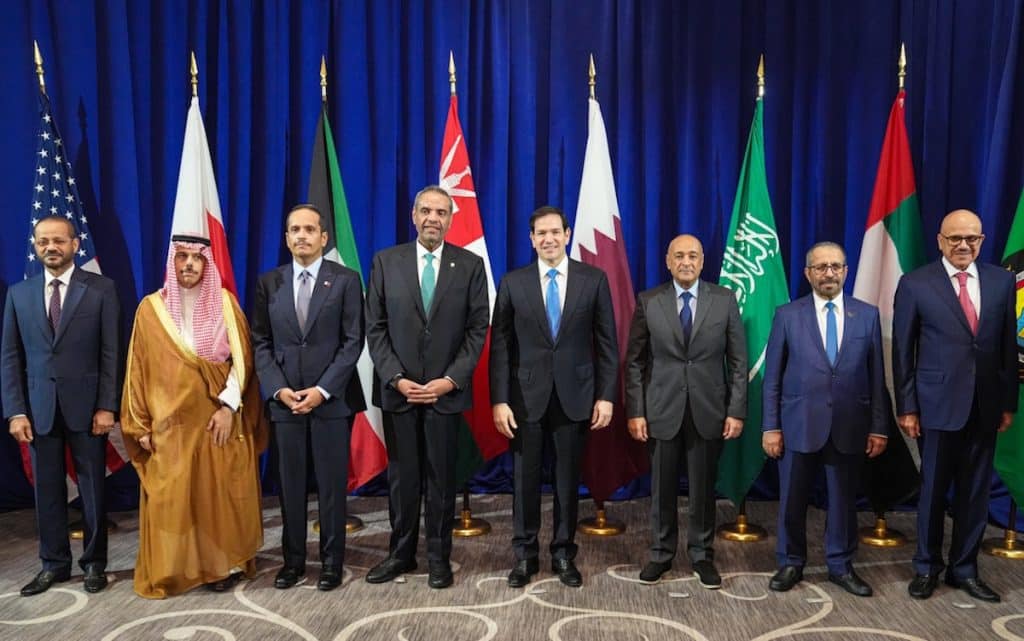
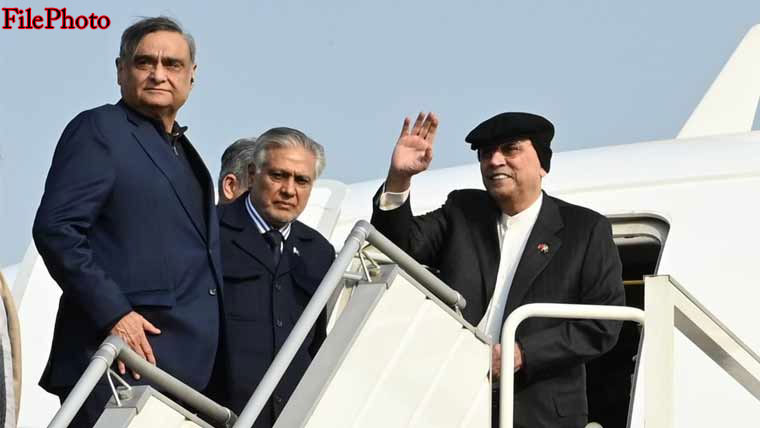
Pakistan’s Prime Minister Shehbaz Sharif said both U.S. and Iranian delegations have been invited to Islamabad for further talks, signalling continued diplomatic engagement.
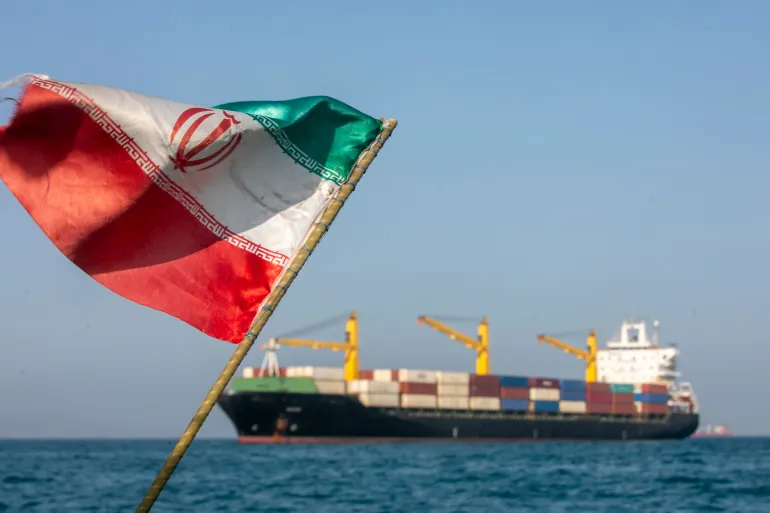
Iran’s Foreign Minister Abbas Araqchi stated that Tehran would halt counter-attacks and allow safe passage through the Strait of Hormuz, provided attacks against Iran cease.
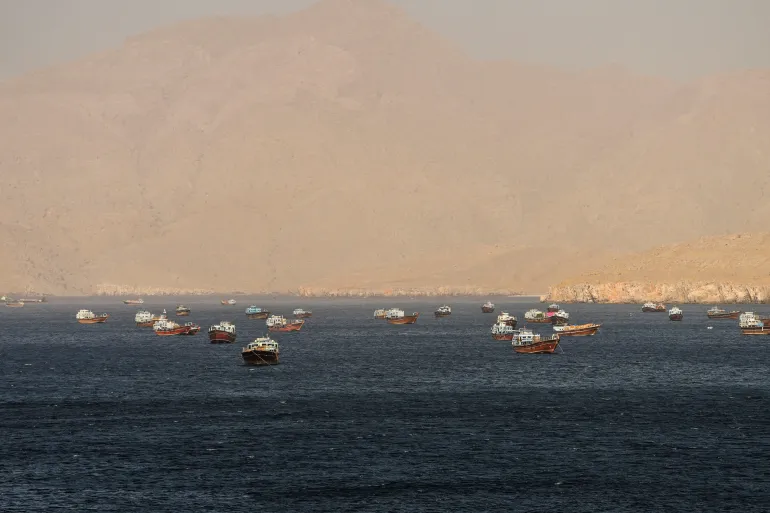
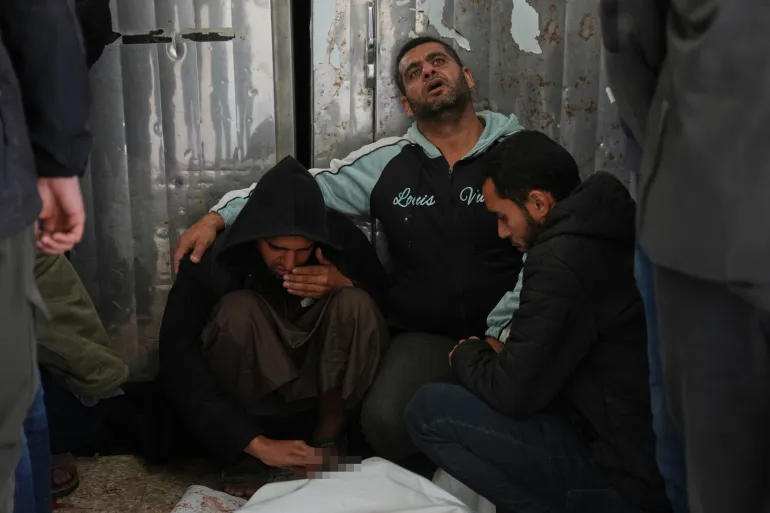
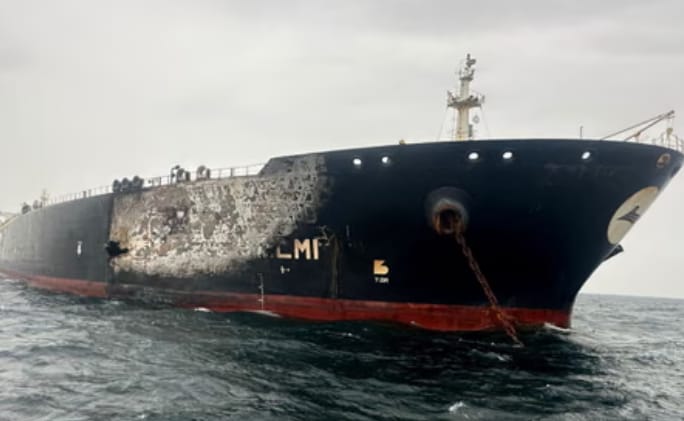
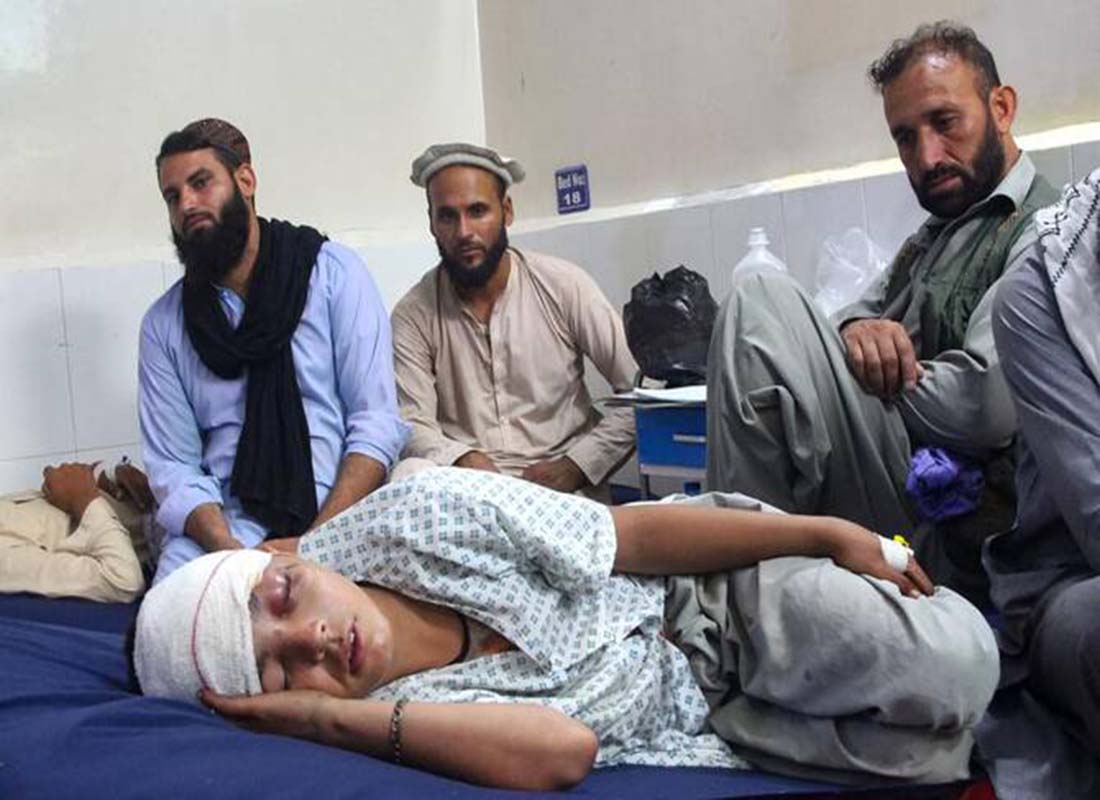
The ceasefire could temporarily suspend a war that has killed thousands, rattled global markets, and threatened one of the world’s most critical energy routes, which handles nearly one-fifth of global oil and liquefied natural gas shipments. Following the announcement, oil prices fell sharply while global stock markets rallied.
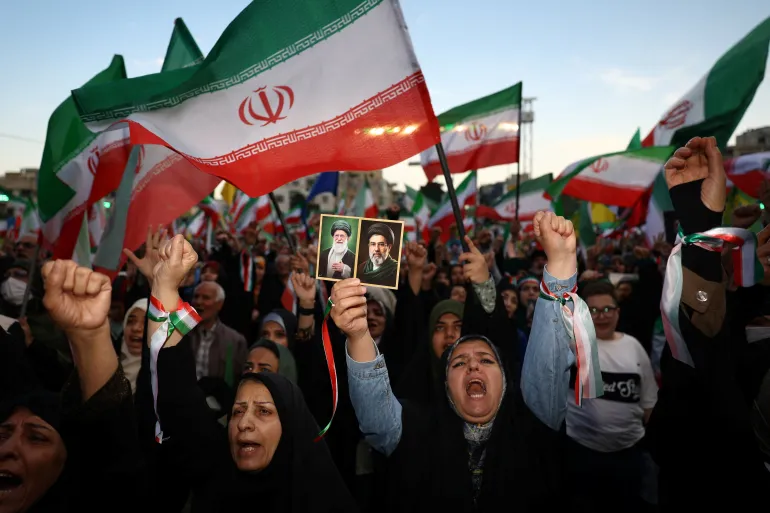
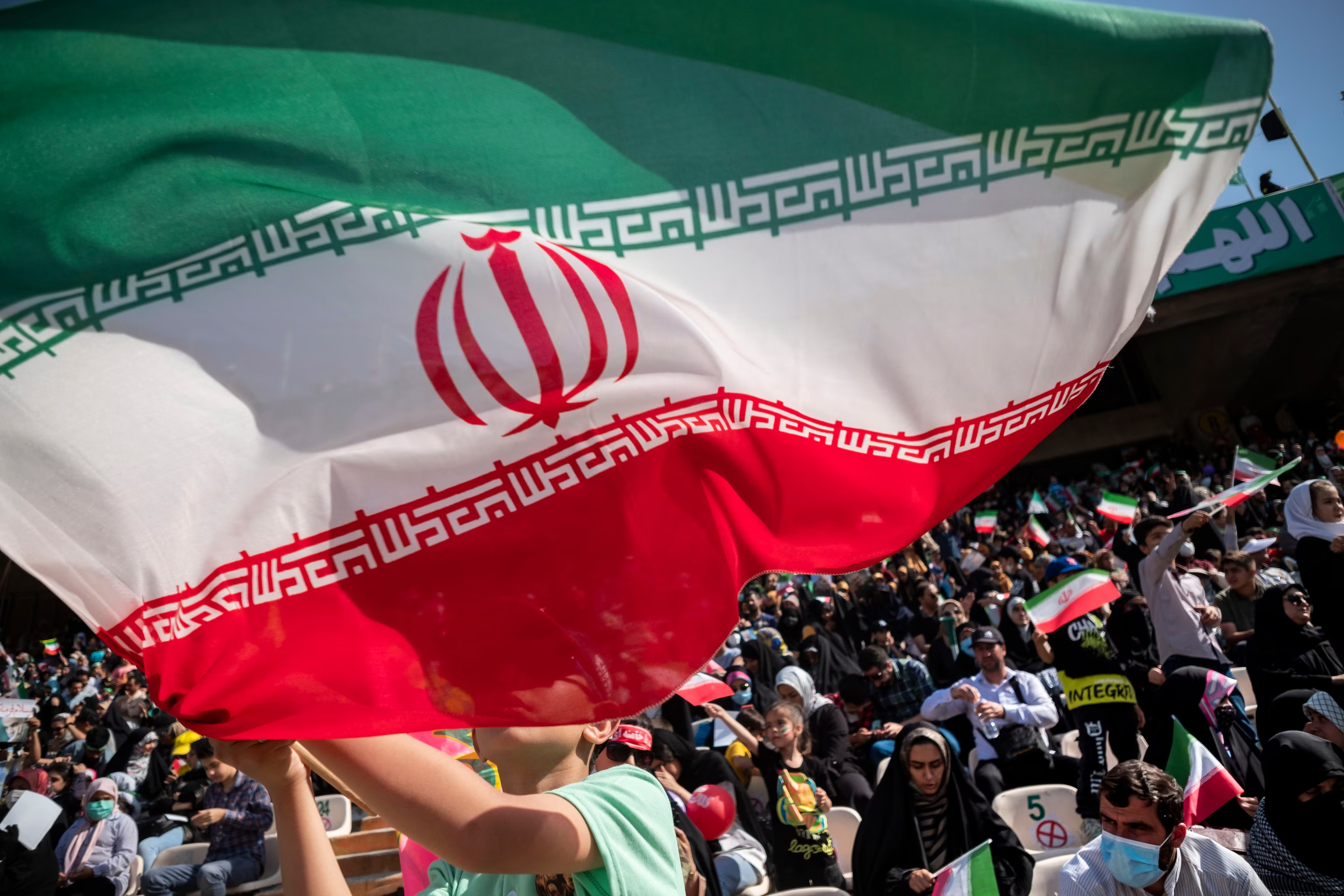
Despite the agreement, uncertainty remains over its durability. While Iran saw public celebrations in some areas, concerns persist that the truce may not hold amid deep mistrust between the sides.
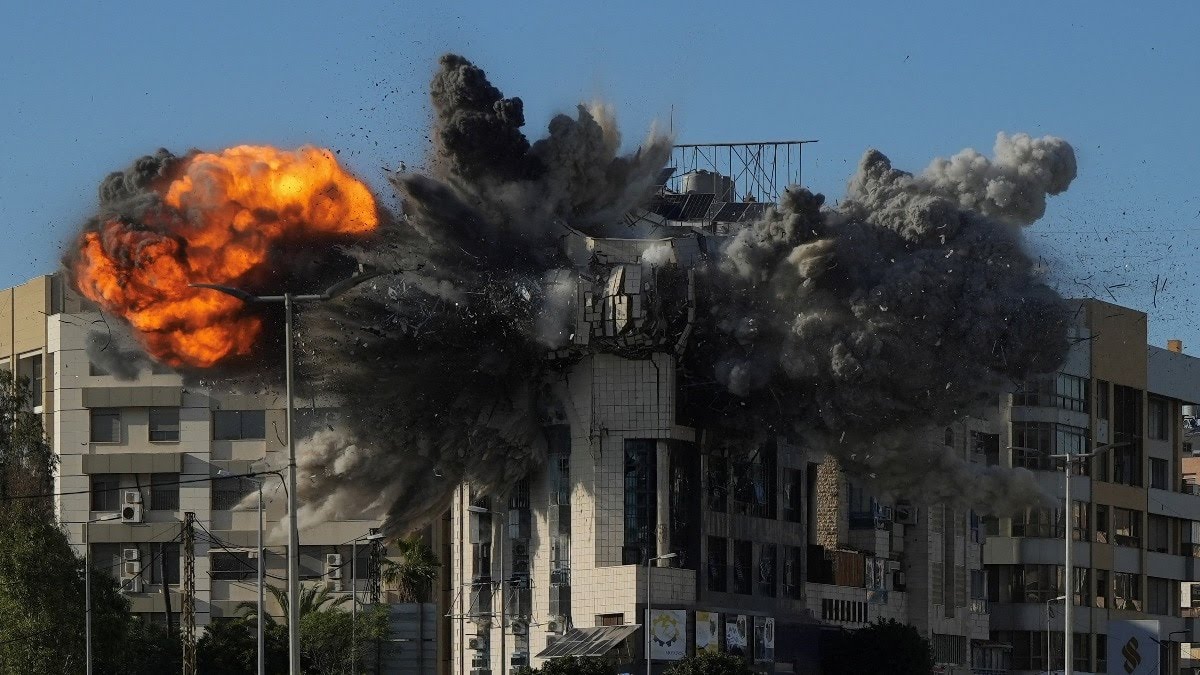
The ceasefire does not resolve core issues, including Iran’s nuclear programme, missile capabilities, and sanctions. Meanwhile, Israel’s military operations, particularly in Lebanon, are expected to continue, indicating that broader regional tensions remain unresolved.
The coming weeks are likely to be crucial as negotiations continue and both sides attempt to translate the temporary truce into a more lasting resolution.



.jpg)
.jpg)










.jpg)
.jpg)
.jpg)
.jpg)
.jpg)
.jpg)





.jpg)