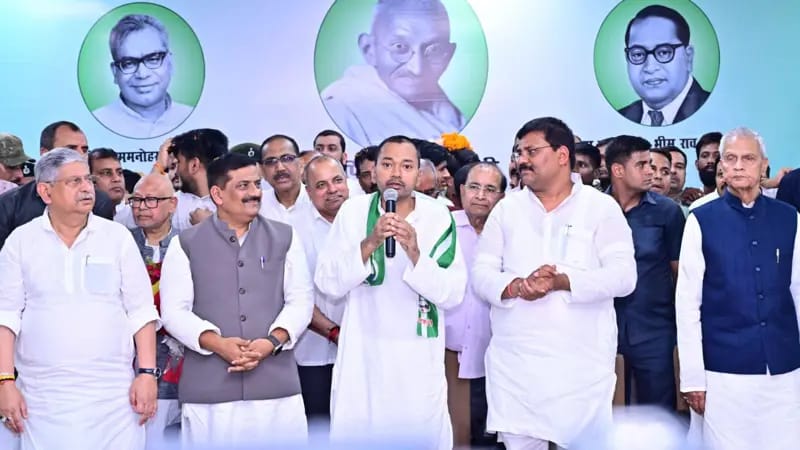
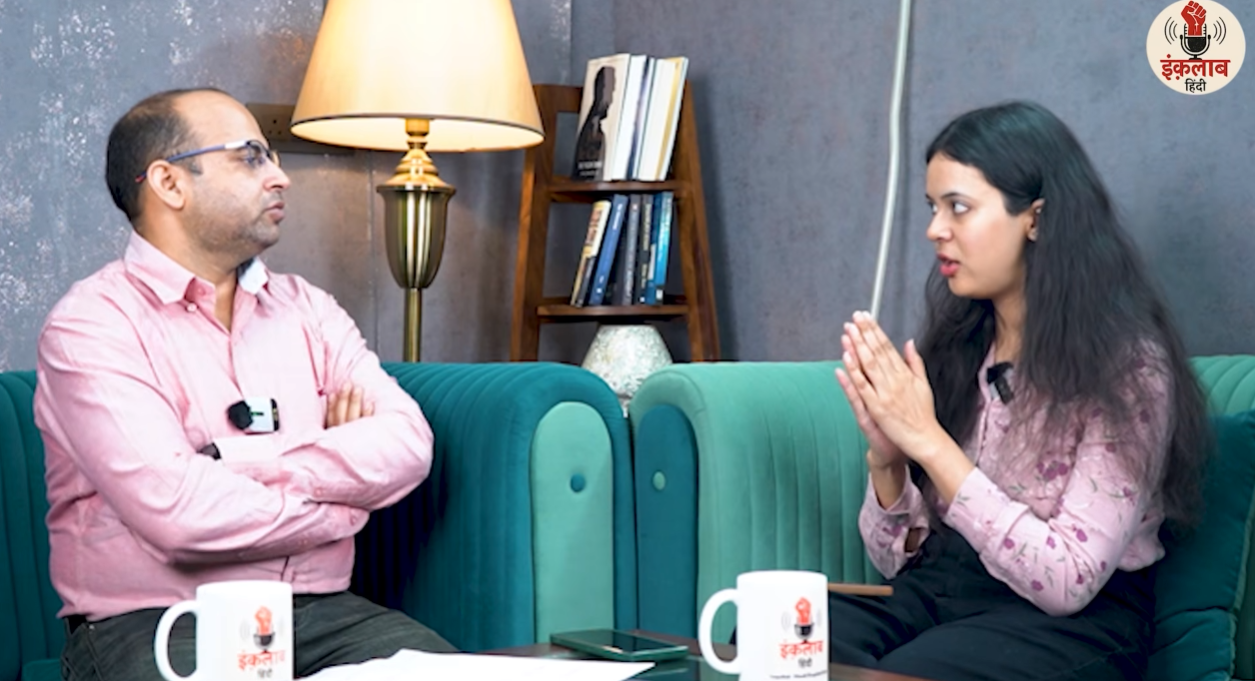
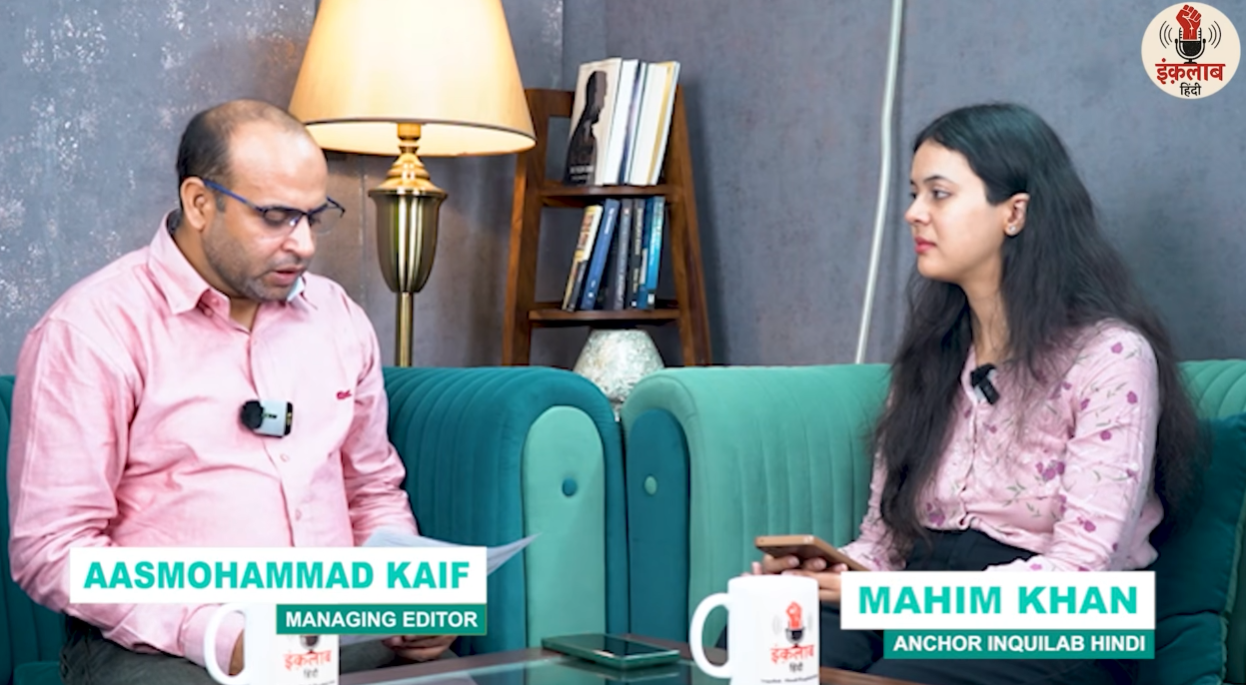
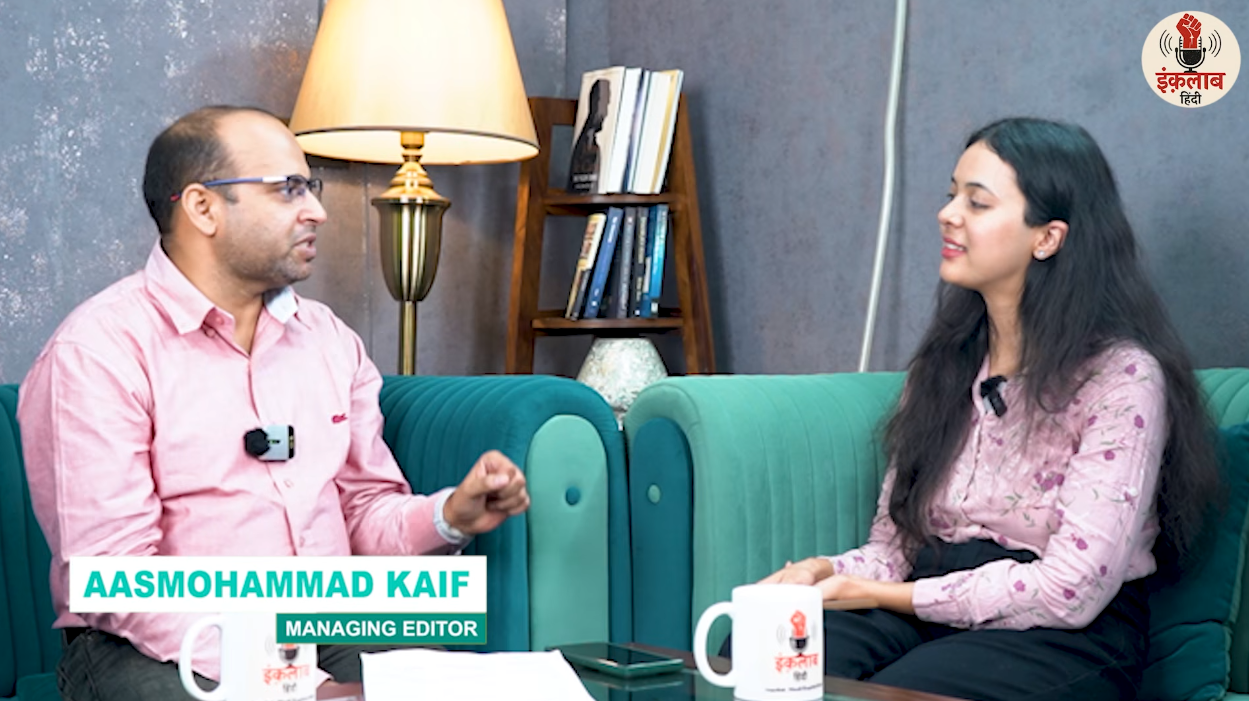
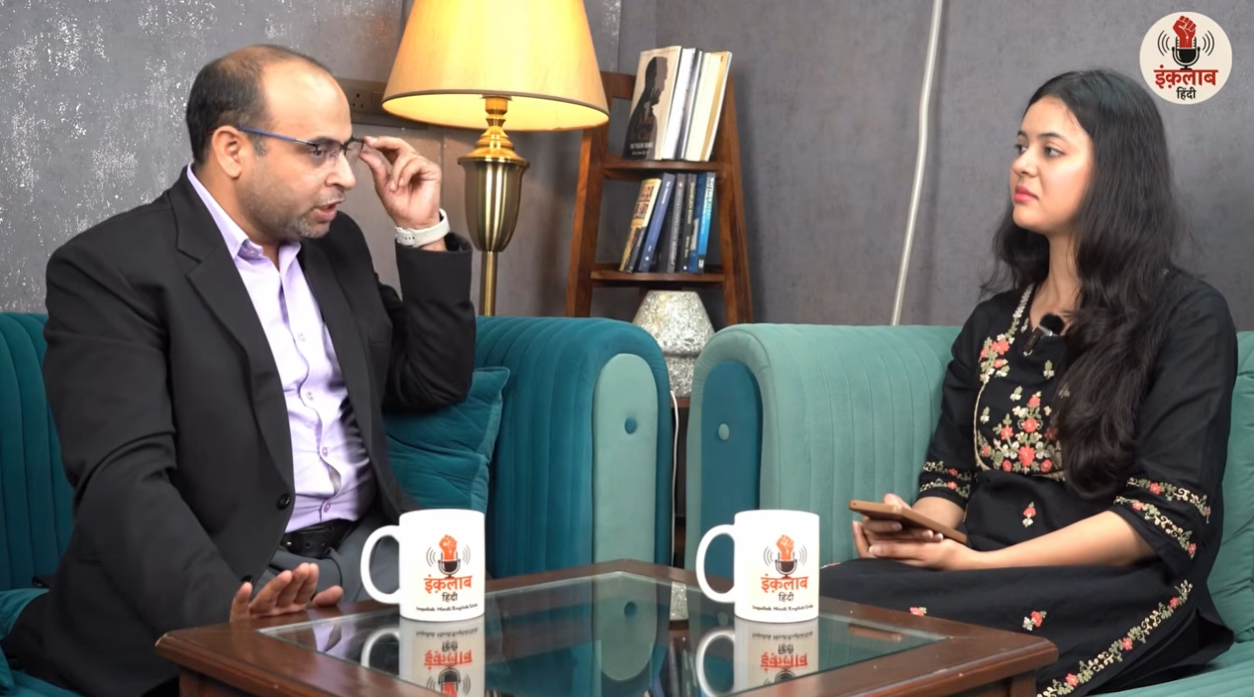
A new face has recently emerged at the center of Bihar’s political landscape—Nishant Kumar. His entry into the Janata Dal (United) has triggered discussions about his future role and political potential.
At a recent Iftar gathering hosted by Union Minister Jitan Ram Manjhi, an interesting sequence of events drew attention. Chief Minister Nitish Kumar attended briefly and left within minutes. Shortly after, Nishant Kumar arrived under tight security.
His presence appeared to carry symbolic weight. His vehicle was allowed inside the residence, while several senior leaders—including Samrat Choudhary and Mangal Pandey—had to park outside and walk in. At one point, when chairs ran short, Nishant stood up to offer his seat and sat on a simple chair instead, reflecting a modest demeanor.
Having formally joined JD(U) on March 8, Nishant Kumar has quickly become one of the most closely watched figures in Bihar politics. Observers see these developments as part of a carefully crafted political strategy, gradually introducing him into the public and party space.
On the occasion of Eid, Nishant also convened a meeting of party spokespersons at the Chief Minister’s residence. The meeting lasted nearly two hours. Nitish Kumar briefly appeared but did not participate. Party members noted that Nishant is still in a learning phase, though his growing involvement is notable.
Born in 1980, Nishant Kumar is often described as reserved, simple, and spiritually inclined. He completed his schooling in Patna and Mussoorie and has largely stayed away from public life. Close associates of Nitish Kumar have often pointed out that he rarely engaged in social or political circles, appearing mostly at family events.
This raises key questions: Can Nishant Kumar carry forward his father’s political legacy? Will he be able to uphold JD(U)’s socialist ideology? And most importantly, what role will he play once Nitish Kumar steps back from active politics?

.jpg)
.jpg)


.jpeg)
.jpg)
.jpg)
.jpg)
.jpg)
.jpg)
.jpg)
.jpg)
.jpg)
.jpg)
.jpg)
.jpg)
.jpg)
.jpg)



.jpg)